
The COI, or “Shakedown” Cruise
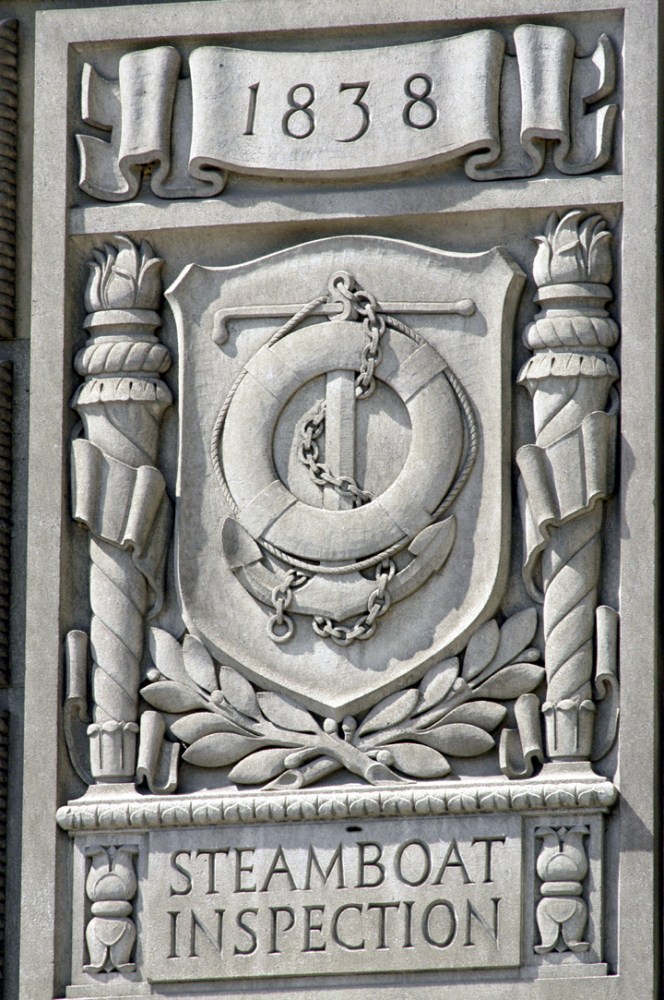
Federal regulation of steamboat safety can trace its very beginnings to 1838, when an act of Congress moved to protect “the lives of passengers on board of vessels propelled in whole or in part by steam.”
The Steamboat Inspection Service was officially created in 1871 to address the concerns that many people had regarding the safety of boilers and fire onboard. 19th century steamboats had quite a record of tragedy and disaster, and safety onboard improved greatly as the technology got better. This was the first instance of steamboats requiring a yearly inspection, something we still have today.
According to a 1920 article in the Monthly Labor Review, “the functions of the Steamboat Inspection Service dealing with the employed personnel on board ship are : (1 ) To examine and license marine officers; (2) to examine and certify able seamen and lifeboat men; (3) to determine the necessary complement of officers and crew; and (4) to inspect and approve forecastle accommodations.”
In 1946, when the Avalon was tramping the Western Rivers System, responsibility for steamboat inspections was transferred officially to the Coast Guard, where it has remained ever since.
Louisville is the headquarters for the Coast Guard Sector Ohio Valley. Every year, we are subject to a Coast Guard inspection. According to a blog post by Mariners Learning System, the inspection is more than just a walkthrough. It is “a thorough and comprehensive vessel evaluation conducted by the U.S. Coast Guard. Unlike a simple safety check, this inspection determines everything from how many passengers your vessel can safely carry to what routes it’s authorized to operate on professionally.”
Every year, we prepare for our annual Shakedown Cruise, when the Coast Guard rides along to issue this Certificate of Inspection. We demonstrate safety drills and go through several rounds of inspection before finally getting cleared for public cruising.
We are proud to be held to the highest standards of safety, and we continuously train and maintain safety standards onboard. Stay tuned for a more detailed look at what our shakedown cruise looks like!